


Your shopping cart is empty!
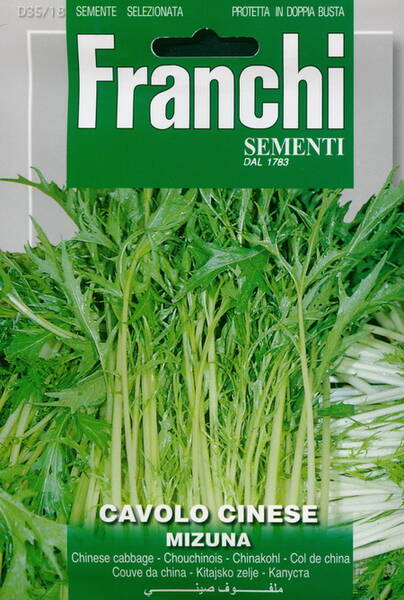
Japanese cabbage "Mizuna" (50,0 g)
Prof Pack
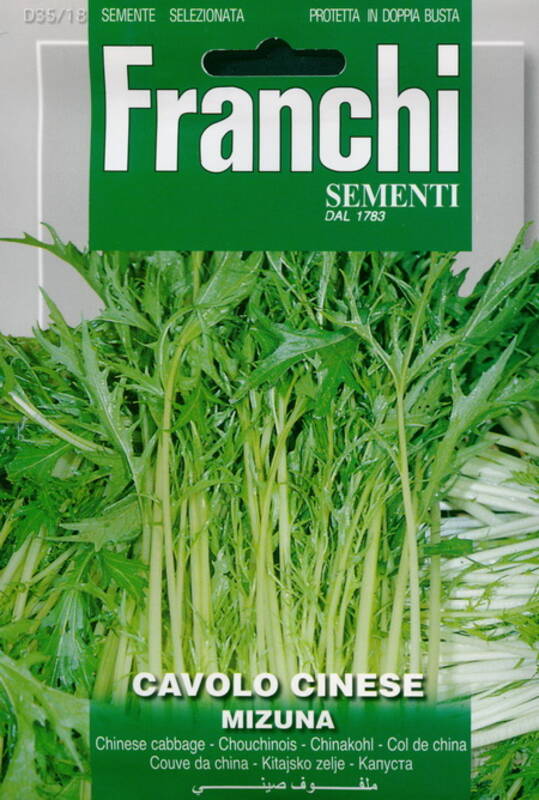
Japanese Green Salad "Mizuna" (Japanese Mustard Greens) — Brassica rapa ssp. japonica.
Japanese exotics in your garden bed: more tender than Napa cabbage, healthier than regular lettuce!
Mizuna — is an ultra-early maturing and highly productive crop, valued for its elegant lacy leaves and mild flavor without a sharp bitterness. Ideal for those looking for a healthy and aesthetic addition to their diet.
Characteristics:
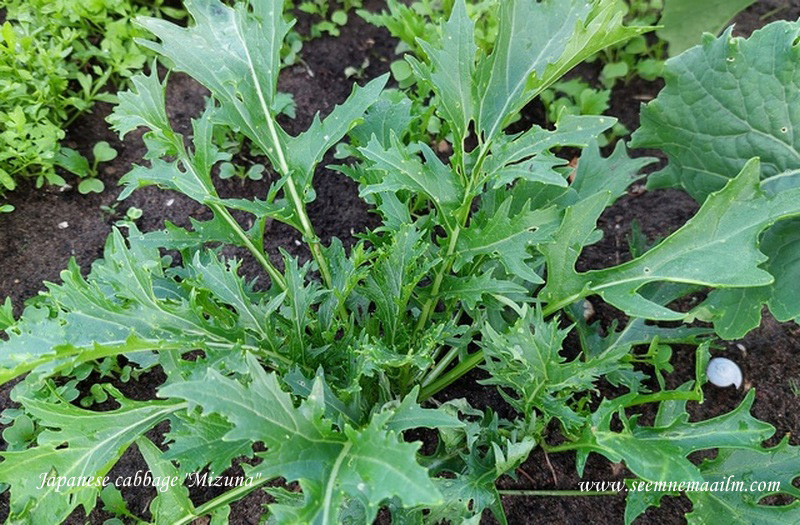
Appearance: Forms a lush rosette of 30-40 highly dissected dark green leaves. It looks so spectacular that it can serve as a flower bed decoration.
Taste: Exceptionally tender, with a minimal content of mustard oils. Unlike its relatives, Mizuna does not overpower the taste of other ingredients, but only complements them.
Features: Regrows perfectly after cutting, allowing you to harvest in «waves» from early spring to late autumn.
Health benefits:
Due to its low content of mustard oils, Japanese cabbage is recommended for dietary nutrition in cardiovascular diseases. Rich in vitamins and antioxidants.
Agrotechnics.
Sowing: For seedlings in mid-March. Pricking out in 7-10 days. Planting in open ground (age 35-40 days) at the end of April according to the 35x50 cm scheme. Direct sowing in the ground is possible.
Soil: Prefers fertile soils (pH 6.5-7.2) after legumes, cucumbers, or potatoes.
Important: Do not plant after other cruciferous crops (radish, turnip).
Care: Regular watering and top dressing with NPK complex fertilizer with microelements for rapid buildup of green mass. The leaves are excellent for fresh salads, sandwiches, and even freezing.
1 gram = 450-500 seeds.
Japanese exotics in your garden bed: more tender than Napa cabbage, healthier than regular lettuce!
Mizuna — is an ultra-early maturing and highly productive crop, valued for its elegant lacy leaves and mild flavor without a sharp bitterness. Ideal for those looking for a healthy and aesthetic addition to their diet.
Characteristics:
Appearance: Forms a lush rosette of 30-40 highly dissected dark green leaves. It looks so spectacular that it can serve as a flower bed decoration.
Taste: Exceptionally tender, with a minimal content of mustard oils. Unlike its relatives, Mizuna does not overpower the taste of other ingredients, but only complements them.
Features: Regrows perfectly after cutting, allowing you to harvest in «waves» from early spring to late autumn.
Health benefits:
Due to its low content of mustard oils, Japanese cabbage is recommended for dietary nutrition in cardiovascular diseases. Rich in vitamins and antioxidants.
Agrotechnics.
Sowing: For seedlings in mid-March. Pricking out in 7-10 days. Planting in open ground (age 35-40 days) at the end of April according to the 35x50 cm scheme. Direct sowing in the ground is possible.
Soil: Prefers fertile soils (pH 6.5-7.2) after legumes, cucumbers, or potatoes.
Important: Do not plant after other cruciferous crops (radish, turnip).
Care: Regular watering and top dressing with NPK complex fertilizer with microelements for rapid buildup of green mass. The leaves are excellent for fresh salads, sandwiches, and even freezing.
1 gram = 450-500 seeds.
How to unlock the taste of Mizuna?
Japanese Salad "Kyoto" (quick recipe):
1. Coarsely chop or tear a bunch of fresh Mizuna leaves by hand.
2. Add fresh cucumber cut into strips and a little roasted sesame.
3. Dressing: Mix 1 tbsp of soy sauce, 1 tsp of rice vinegar (or lemon juice) and a drop of sesame oil.
4. Mix gently and serve with fish or rice. The delicate crunch of Mizuna will make this dish unforgettable!
Note to the hostess:
* Sandwich chic: Use Mizuna instead of regular lettuce in sandwiches with tuna or soft cheese — its carved leaves do not get soggy as quickly as regular lettuce.
* Green decor: Due to its "lacy" structure, Mizuna is the best choice for decorating festive dishes.
* Short-term heat treatment: In Japan, Mizuna is often added at the very end to hot soups or stews (for 30-60 seconds). It softens slightly but retains its unique taste.
Secrets of freshness: How to store cut Mizuna?
Mizuna leaves are very tender, so they require careful storage to remain crispy for as long as possible.
Method 1 (Classic — for a week):
Wash the leaves thoroughly and, most importantly, dry them very well (it is best to use a salad spinner). Moisture on the surface of the leaves is the main cause of rot.
Wrap the dry greens in several layers of paper towel and put them in a loosely closed plastic bag or plastic container. Store in the vegetable compartment of the refrigerator. The paper will absorb excess condensation, and the greens will stay fresh for up to 7-10 days.
Method 2 ("Bouquet" method — up to two weeks):
If you cut Mizuna with long petioles, put the bunch in a jar with a little cold water (like flowers in a vase). Cover with a bag on top to create a humid microclimate, and put it in the refrigerator. Change the water every 1-2 days. This way the greens retain their turgor and freshness for as long as possible.