


Your shopping cart is empty!
Perlite
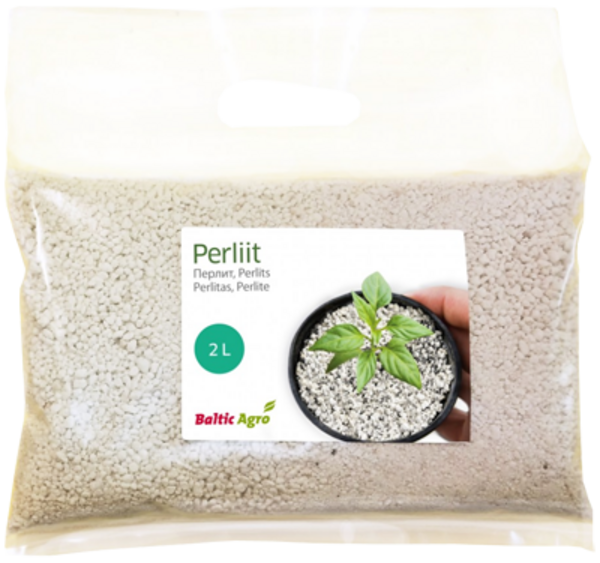
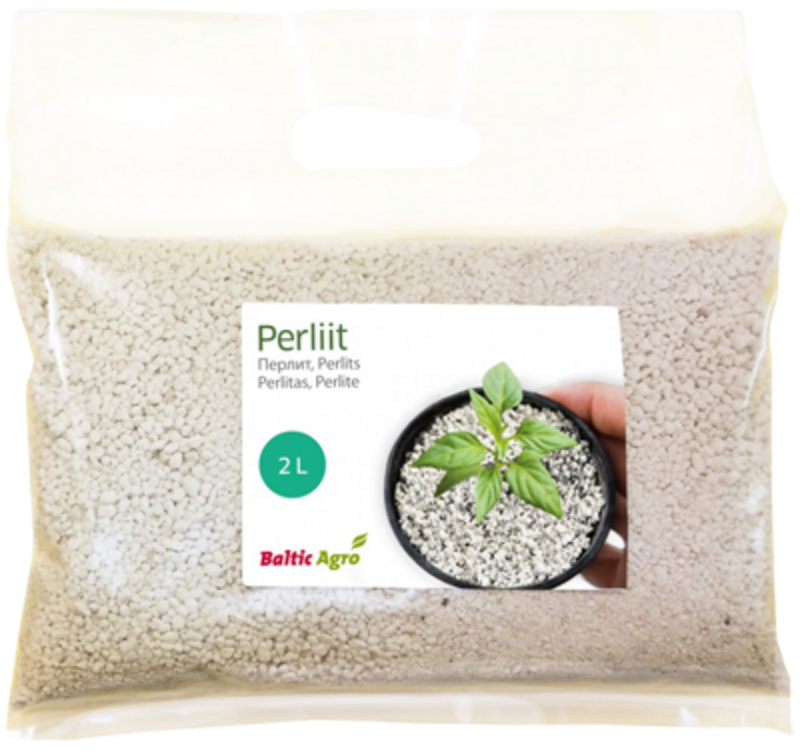
Perlite: Volcanic Soil Improver.
Perlite is expanded sand from volcanic rock with high water-holding capacity (up to 97.1%).
Application:
* Improves soil structure for indoor plants, hanging baskets, and balcony boxes.
* Increases moisture retention capacity while ensuring proper drainage.
* Used for mulching seedlings, rooting cuttings, and winter storage of bulbs.
* Creates a favorable moisture and air regime, reducing risks of root rot from overwatering.
Dosage: Recommended mixing ratio with soil is 1:4.
Suitable for organic farming.
Perlite is expanded sand from volcanic rock with high water-holding capacity (up to 97.1%).
Application:
* Improves soil structure for indoor plants, hanging baskets, and balcony boxes.
* Increases moisture retention capacity while ensuring proper drainage.
* Used for mulching seedlings, rooting cuttings, and winter storage of bulbs.
* Creates a favorable moisture and air regime, reducing risks of root rot from overwatering.
Dosage: Recommended mixing ratio with soil is 1:4.
Suitable for organic farming.
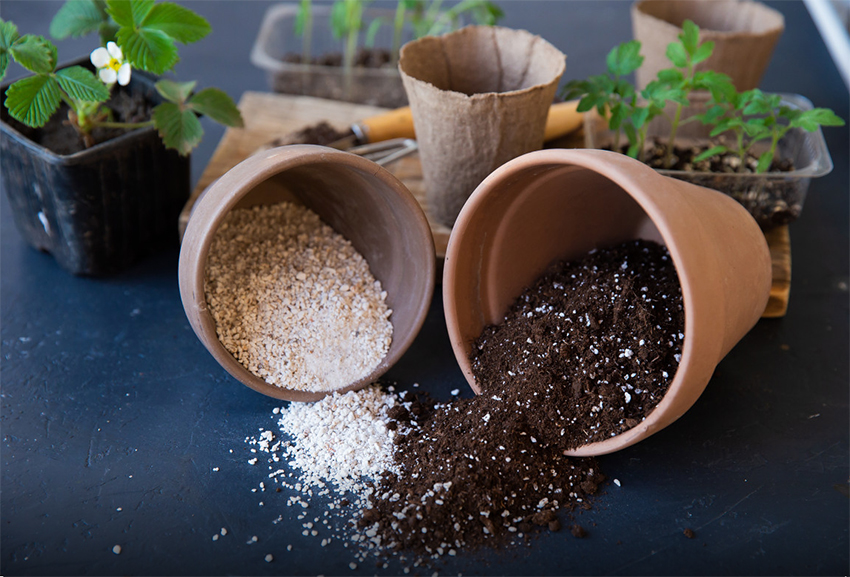
WHICH TO CHOOSE: PERLITE OR VERMICULITE?
Although both are used to amend soil, there are key differences.
1. Main Function:
* Perlite is the best friend for roots that need oxygen. It does not compact, aerates the substrate perfectly, and ensures fast drainage. Indispensable for heavy, clay soils, as well as for cacti and succulents.
* Vermiculite is a moisture retention master. It acts like a sponge, absorbing water and nutrients, gradually releasing them to plants. Ideal for moisture-loving plants (violets, spathiphyllum).
2. Plant Propagation:
* For seeds: Vermiculite. It maintains constant humidity needed for germination.
* For cuttings: Perlite. Due to its lightness and airiness, it allows young roots to penetrate easily and breathe, preventing rot.
3. Comparison:
PERLITE:
- Spherical, porous, hard particles (holds shape).
- Neutral pH.
- Primary Goal: Drainage and Aeration.
- Contains no nutrients.
VERMICULITE:
- Flaky, sponge-like material (compacts more easily).
- Primary Goal: Water and Nutrient Retention.
- Contains some potassium and magnesium (but does not replace fertilizer).