


Your shopping cart is empty!
Tomato "Hardy" F1

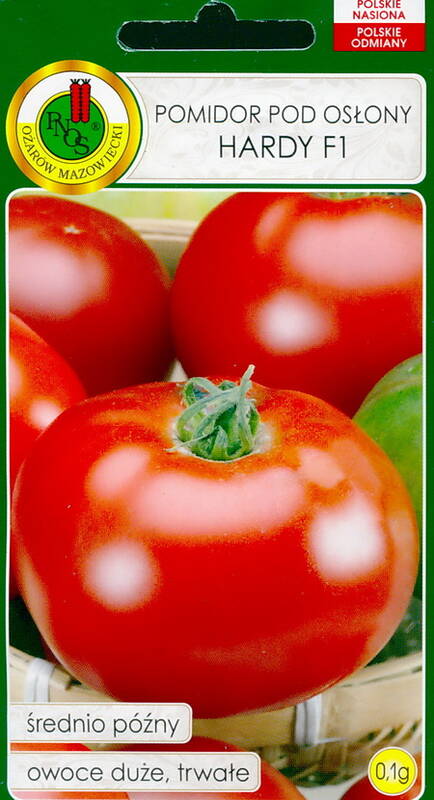
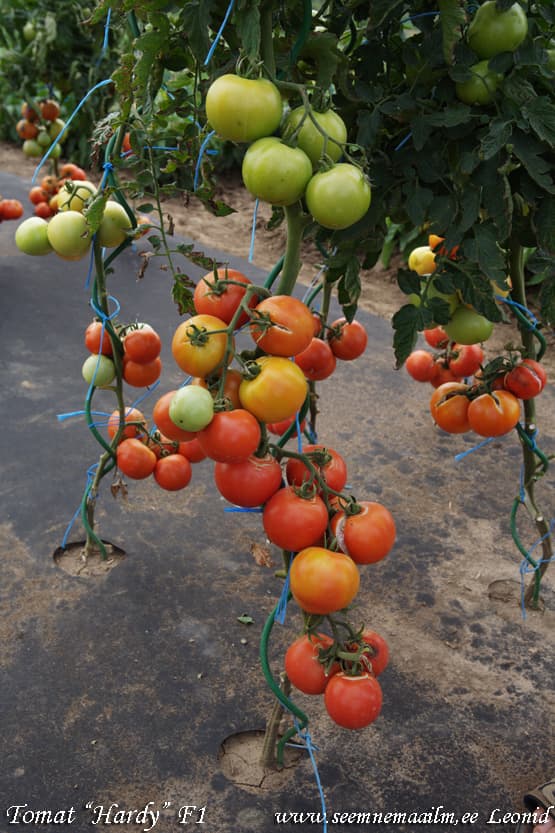
Tomato "Hardy" F1.
Late indeterminate hybrid intended for indoor cultivation. Fruits weighing 170-190 g are well stored.
Late indeterminate hybrid intended for indoor cultivation. Fruits weighing 170-190 g are well stored.
![Tomati k[lgv]sude eemaldamine](/userfiles/Tomati-loikamine(1).jpg)
* WHY ARE THE SEEDLINGS NOT GROWING?
If the seedlings have stopped growing, "frozen" as they say, and acquired a yellowish tint, then something is wrong with the soil. Look closely: the surface of the soil might be covered with a yellowish salt crust or a green layer of algae.
If you pull the plant out of the soil and examine the roots, you will find they are very poorly developed. Eventually, they die off completely, and the seedling perishes. A common cause is a soil pH that is too high, meaning it has become alkaline. However, plants won't develop in acidic soil either. Under highly acidic conditions, phosphorus becomes unavailable, causing tomato seedlings to take on a reddish-blue (purplish) color, and the roots barely develop. Sometimes, growth stops right after the cotyledon leaves unfold. Furthermore, overly acidic soil leads to seedling diseases like clubroot (especially in cabbage) or "blackleg" (damping-off).
Peat-based soils are usually acidic. Garden soils also most often have an acidic reaction. Wood sawdust strongly acidifies the soil as well.
ADVICE: To reduce acidity, lime or dolomite flour is added to the soil: for tomato, pepper, and eggplant seedlings — 15-17 g per 1 kg of soil; for cucumbers, zucchini, and other cucurbits — 25-30 g. When applying lime, it is recommended to supplement it with magnesium-containing fertilizers — this will greatly improve the quality of the seedlings.
In the case of soil alkalization, a little apple cider vinegar or citric acid is added to the watering can — this will help the plants absorb nutrients again.