


Votre panier est vide!
Échalote « Charlotte »
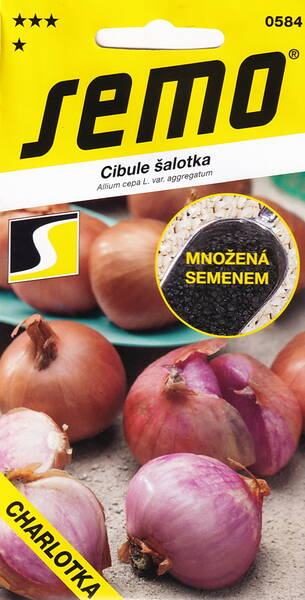

Allium cepa L. var. ascalonicum
2.79€
Sans TVA : 2.25€
Sans TVA : 2.25€
Échalote "Charlotte" - Allium ascalonicum.
La multiplication par graines permet d'obtenir des oignons sains et exempts de maladies virales "importées".
Forme de gros bulbes entiers avec un merveilleux goût aigre-doux.
Pour semer 10 m2, il faut 4,5 à 5,5 g de graines.
* Une espèce d'oignon très utile et précieuse - l'échalote, qui est appréciée pour son bon rendement, sa précocité, ses qualités gustatives élevées et sa capacité à être conservée longtemps dans une pièce, elle ne monte pratiquement pas en graines.
Elle a aussi de nombreux autres noms : multigerme, familiale, charlotte, touffe, quarante dents.
Ces noms sont apparus parce que l'échalote dans un nid a un grand nombre de bulbes : ils sont plus petits que l'oignon, mais diffèrent de leur grand frère par un goût plus raffiné et la capacité d'être conservés dans la maison tout l'hiver sans perdre leurs qualités marchandes. Une tresse d'échalotes peut être accrochée directement dans la cuisine : c'est une décoration en hiver, et l'oignon est toujours à portée de main.
Une autre qualité importante de l'échalote est que ses feuilles sont plus fines et plus tendres, et ne durcissent pas pendant toute la saison de croissance (et elles apparaissent beaucoup plus tôt que celles de l'oignon).
Dans nos jardins, l'échalote est un hôte rare. En Europe occidentale et dans les pays scandinaves, cet oignon est très apprécié pour son goût aigre-doux et ses propriétés curatives plus élevées que celles de l'oignon.
Il existe de nombreuses variétés d'échalotes. Il y a des échalotes blanches, rouges, violettes, jaunes, brunes et la forme des bulbes - allongée, arrondie, arrondie-plate, selon la variété.
Avant de commencer à planter des échalotes, préparez le lit à l'avance et, un jour avant la plantation, préparez le matériel de plantation. Pour que l'échalote pousse grosse, le bulbe d'échalote est divisé en plusieurs parties. Coupez le sommet et coupez-le en plusieurs parties le long des "yeux". Un bulbe donne 3 à 8 unités de plantation. Plantez au début du mois d'avril dans des sillons préparés à une distance de 15 à 16 cm dans la rangée et de 30 cm entre les rangées.
Ainsi, pendant que l'oignon pousse dans le lit et prend de la force, si nécessaire, là où plus de 3 morceaux sont observés dans le nid, arrachez une division à la fois jusqu'à ce qu'il ne reste que 1 à 2 bulbes dans le nid. Faites-le avec précaution, en tenant avec votre main les bulbes destinés à une croissance ultérieure. Tout le processus de suppression des bulbes supplémentaires est progressif - vous avez besoin d'oignons pour cuisiner, alors tirez autant que vous en avez besoin.
Habituellement, la percée de l'oignon commence plus de 1,5 mois après la germination de l'oignon, afin que l'oignon commence à se diviser et se sépare facilement du bulbe commun. Les bulbes restants au moment de la récolte sont très gros, et il n'y a pas de petites choses dans les nids. Les meilleures cultures précédentes pour lui sont les haricots, les pois, les carottes ou les pommes de terre. Le compost fini est ajouté au lit - cette technique vous permet de vous passer de l'alimentation.
Pour se protéger de la mouche de l'oignon, saupoudrez abondamment les lits de cendres.
L'échalote aime l'humidité et la propreté des mauvaises herbes.
Si soudainement le sommet des feuilles commence à sécher et que des rayures claires se forment dessus, et qu'il y a de petits vers à l'intérieur de la plume, alors arrosez l'échalote avec une solution de sel de table (1 verre pour 10 litres d'eau).
Dès que la feuille commence à s'allonger, l'oignon n'est plus arrosé. L'échalote mûrit plus tôt que l'oignon, elle peut donc être cultivée dans les zones à courte période de végétation, où l'oignon n'a pas le temps de mûrir.
Contrairement à l'oignon, l'échalote peut être plantée en automne - ainsi que l'ail d'hiver. Ensuite, il est prêt à être récolté 10 à 15 jours plus tôt qu'en cas de plantation au printemps. C'est une autre qualité positive de l'échalote, qui permet de la cultiver dans les régions du nord. Lorsque la feuille commence à sécher, enlevez la terre pour que les bulbes soient à la surface.
Si le temps le permet, après la récolte, séchez les bulbes dans le lit. Séchez les oignons sous un auvent.
La multiplication par graines permet d'obtenir des oignons sains et exempts de maladies virales "importées".
Forme de gros bulbes entiers avec un merveilleux goût aigre-doux.
Pour semer 10 m2, il faut 4,5 à 5,5 g de graines.
* Une espèce d'oignon très utile et précieuse - l'échalote, qui est appréciée pour son bon rendement, sa précocité, ses qualités gustatives élevées et sa capacité à être conservée longtemps dans une pièce, elle ne monte pratiquement pas en graines.
Elle a aussi de nombreux autres noms : multigerme, familiale, charlotte, touffe, quarante dents.
Ces noms sont apparus parce que l'échalote dans un nid a un grand nombre de bulbes : ils sont plus petits que l'oignon, mais diffèrent de leur grand frère par un goût plus raffiné et la capacité d'être conservés dans la maison tout l'hiver sans perdre leurs qualités marchandes. Une tresse d'échalotes peut être accrochée directement dans la cuisine : c'est une décoration en hiver, et l'oignon est toujours à portée de main.
Une autre qualité importante de l'échalote est que ses feuilles sont plus fines et plus tendres, et ne durcissent pas pendant toute la saison de croissance (et elles apparaissent beaucoup plus tôt que celles de l'oignon).
Dans nos jardins, l'échalote est un hôte rare. En Europe occidentale et dans les pays scandinaves, cet oignon est très apprécié pour son goût aigre-doux et ses propriétés curatives plus élevées que celles de l'oignon.
Il existe de nombreuses variétés d'échalotes. Il y a des échalotes blanches, rouges, violettes, jaunes, brunes et la forme des bulbes - allongée, arrondie, arrondie-plate, selon la variété.
Avant de commencer à planter des échalotes, préparez le lit à l'avance et, un jour avant la plantation, préparez le matériel de plantation. Pour que l'échalote pousse grosse, le bulbe d'échalote est divisé en plusieurs parties. Coupez le sommet et coupez-le en plusieurs parties le long des "yeux". Un bulbe donne 3 à 8 unités de plantation. Plantez au début du mois d'avril dans des sillons préparés à une distance de 15 à 16 cm dans la rangée et de 30 cm entre les rangées.
Ainsi, pendant que l'oignon pousse dans le lit et prend de la force, si nécessaire, là où plus de 3 morceaux sont observés dans le nid, arrachez une division à la fois jusqu'à ce qu'il ne reste que 1 à 2 bulbes dans le nid. Faites-le avec précaution, en tenant avec votre main les bulbes destinés à une croissance ultérieure. Tout le processus de suppression des bulbes supplémentaires est progressif - vous avez besoin d'oignons pour cuisiner, alors tirez autant que vous en avez besoin.
Habituellement, la percée de l'oignon commence plus de 1,5 mois après la germination de l'oignon, afin que l'oignon commence à se diviser et se sépare facilement du bulbe commun. Les bulbes restants au moment de la récolte sont très gros, et il n'y a pas de petites choses dans les nids. Les meilleures cultures précédentes pour lui sont les haricots, les pois, les carottes ou les pommes de terre. Le compost fini est ajouté au lit - cette technique vous permet de vous passer de l'alimentation.
Pour se protéger de la mouche de l'oignon, saupoudrez abondamment les lits de cendres.
L'échalote aime l'humidité et la propreté des mauvaises herbes.
Si soudainement le sommet des feuilles commence à sécher et que des rayures claires se forment dessus, et qu'il y a de petits vers à l'intérieur de la plume, alors arrosez l'échalote avec une solution de sel de table (1 verre pour 10 litres d'eau).
Dès que la feuille commence à s'allonger, l'oignon n'est plus arrosé. L'échalote mûrit plus tôt que l'oignon, elle peut donc être cultivée dans les zones à courte période de végétation, où l'oignon n'a pas le temps de mûrir.
Contrairement à l'oignon, l'échalote peut être plantée en automne - ainsi que l'ail d'hiver. Ensuite, il est prêt à être récolté 10 à 15 jours plus tôt qu'en cas de plantation au printemps. C'est une autre qualité positive de l'échalote, qui permet de la cultiver dans les régions du nord. Lorsque la feuille commence à sécher, enlevez la terre pour que les bulbes soient à la surface.
Si le temps le permet, après la récolte, séchez les bulbes dans le lit. Séchez les oignons sous un auvent.
Les gourmets aiment l'utiliser à la place de l'oignon. Le goût délicat des feuilles vertes cultivées à partir de cet oignon est également apprécié.
Il n'est pas facile de nettoyer l'échalote de ses peaux, mais si vous la versez avec de l'eau bouillante pendant quelques minutes, la peau se détachera très facilement.