


Ваша корзина пуста!
Редька чёрная (семена для проращивания, микрозелень)
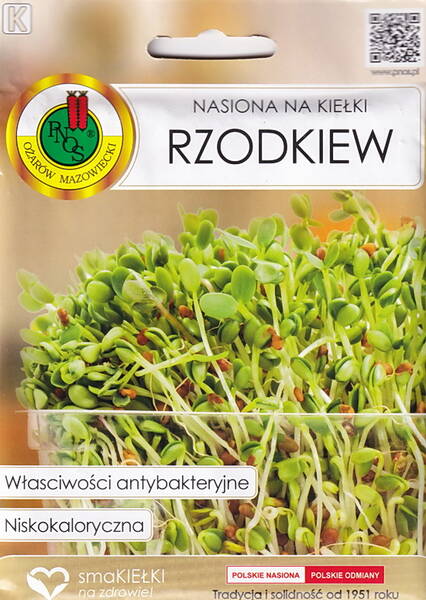
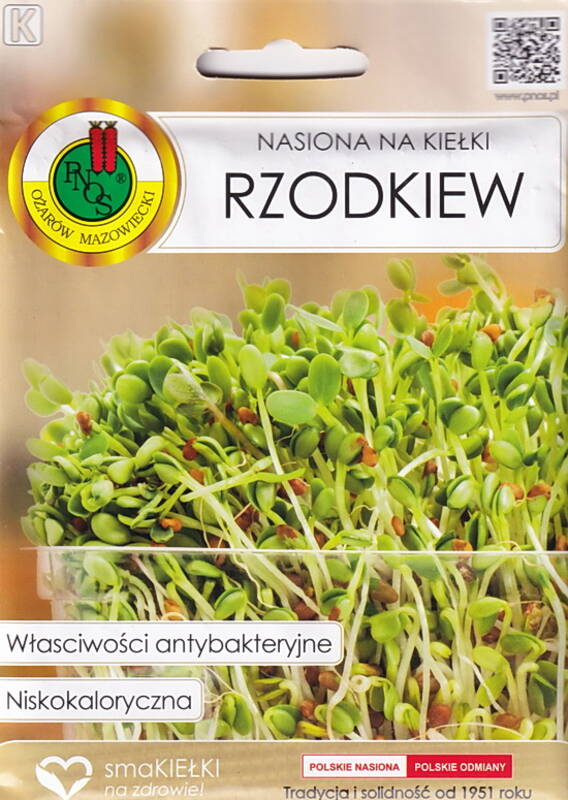
Экологические семена
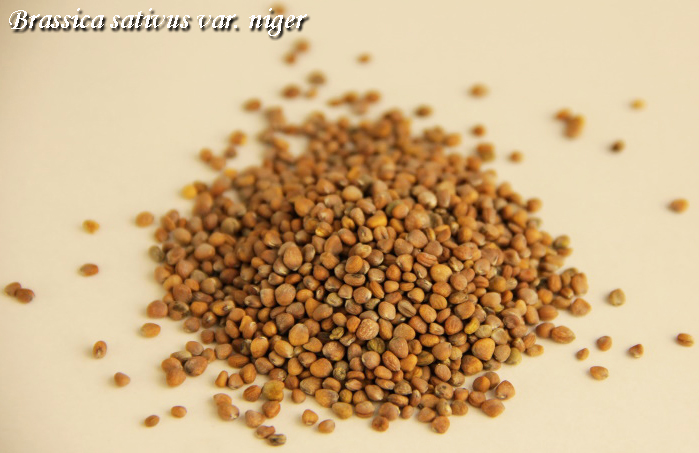
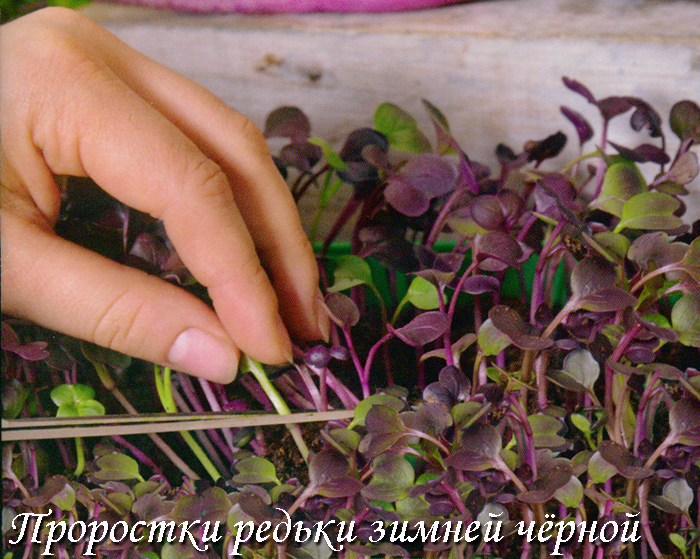
Чёрная зимняя редька для микрозелени - Raphanus sativus var. nigra.
Слабоострый вкус и приятный аромат - идеальная добавка к салатам и бутербродам.
Редька чёрная обладает исключительной целебной и питательной ценностью.
В зимней редьке (особенно в её микропроростках) сконцентрировано большое количество витаминов и минеральных веществ: именно поэтому она рекомендуется как мощное общеукрепляющее средство.
Молодые ростки редьки очень популярны среди гурманов и поклонников здорового образа жизни, благодаря своему островатому вкусу и замечательному аромату.
Они являются прекрасной хрустящей витаминной добавкой для супа, салата и вторых блюд. Также их можно использовать в бутерброды и сэндвичи для придания им пикантности.
Ростки, выращенные из семян чёрной редьки, благотворно влияют на пищеварительную систему, оздоравливают организм в целом, повышая его выносливость.
Благодаря своему уникальному составу, ростки редьки не только повышают иммунитет, но и обладают мощными противомикробными и антипаразитарными свойствами.
Микрозелень редьки успешно выводит из организма шлаки, токсины и отложения солей. Оздоравливает микрофлору кишечника. Весьма рекомендуема при мочекаменной болезни и малокровии.
Регулярное употребление проростков зимней редьки избавляет от отёков, улучшает аппетит и стимулирует желчеобразование.
Кроме того, пророщенные семена редьки обладают антиканцерогенным действием, эффективно способствуя профилактике онкологических заболеваний.
Питательная ценность микропроростков чёрной редьки:
- витаминный комплекс: аскорбиновая кислота, К, В1, В2, В5, В9, РР
- наличие макро- и микроэлементов: кальций, калий, марганец, кремний, медь, кобальт, сера, натрий, железо, фосфор
- содержание гликозидов, рафанола, органических кислот, клетчатки и эфирных масел.
Условия хранения пророщенной микрозелени: можно хранить в холодильнике не более 3-х дней.
Слабоострый вкус и приятный аромат - идеальная добавка к салатам и бутербродам.
Редька чёрная обладает исключительной целебной и питательной ценностью.
В зимней редьке (особенно в её микропроростках) сконцентрировано большое количество витаминов и минеральных веществ: именно поэтому она рекомендуется как мощное общеукрепляющее средство.
Молодые ростки редьки очень популярны среди гурманов и поклонников здорового образа жизни, благодаря своему островатому вкусу и замечательному аромату.
Они являются прекрасной хрустящей витаминной добавкой для супа, салата и вторых блюд. Также их можно использовать в бутерброды и сэндвичи для придания им пикантности.
Ростки, выращенные из семян чёрной редьки, благотворно влияют на пищеварительную систему, оздоравливают организм в целом, повышая его выносливость.
Благодаря своему уникальному составу, ростки редьки не только повышают иммунитет, но и обладают мощными противомикробными и антипаразитарными свойствами.
Микрозелень редьки успешно выводит из организма шлаки, токсины и отложения солей. Оздоравливает микрофлору кишечника. Весьма рекомендуема при мочекаменной болезни и малокровии.
Регулярное употребление проростков зимней редьки избавляет от отёков, улучшает аппетит и стимулирует желчеобразование.
Кроме того, пророщенные семена редьки обладают антиканцерогенным действием, эффективно способствуя профилактике онкологических заболеваний.
Питательная ценность микропроростков чёрной редьки:
- витаминный комплекс: аскорбиновая кислота, К, В1, В2, В5, В9, РР
- наличие макро- и микроэлементов: кальций, калий, марганец, кремний, медь, кобальт, сера, натрий, железо, фосфор
- содержание гликозидов, рафанола, органических кислот, клетчатки и эфирных масел.
Условия хранения пророщенной микрозелени: можно хранить в холодильнике не более 3-х дней.
Редьку справедливо называют санитаром организма человека.
Лечебные свойства редьки легко объясняются богатым содержанием легко усвояемых организмом человека солей калия, способствующих выведению из организма вместе с мочой ядовитых продуктов обмена веществ. А по содержанию калия редька занимает первое место среди других овощей – 600 мг%.
Редька содержит соли кальция, магния, железа, обладающие значительной активностью. А содержащиеся в корнеплодах в большом количестве фитонциды губительно действуют на микробы и защищают нас от различных инфекционных заболеваний. Именно поэтому редька вместе с луком и чесноком является самым лучшим природным средством для оздоровления кишечной микрофлоры.
По содержанию витаминов по сравнению с другими овощами редька не является лидером. Однако, в ней присутствует разнообразная витаминная гамма, и всего понемногу.
Все лечебные свойства редьки и её своеобразный острый вкус обусловлены наличием в ней эфирных масел, богатых серосодержащими веществами, обладающими фитонцидными свойствами. Поэтому приём даже небольшого количества редьки быстро возбуждает аппетит. А наличие в корнеплодах редьки значительного количества клетчатки способствует усилению перистальтики кишечника.
Редьке нет равных среди овощей по содержанию легкоусвояемых соединений, которые способствуют выведению из организма ядовитых продуктов обмена. Практически для лечения и профилактики того или иного заболевания используется не мякоть корнеплода, а полученный из неё сок (содержащиеся в нём вещества оказывают разнообразное воздействие на организм человека в целом и на разные органы).
Издавна редька в почёте как пищевой продукт, который усиливает секрецию пищеварительных желёз, повышает аппетит. Для этого мелко натёртую редьку принимают перед едой с добавлением к ней по вкусу соли или мёда.
В народной медицине редьку употребляют при цинге, почечнокаменной болезни, подагре, атеросклерозе.
Редька особенно широко применяется с давних времён при заболеваниях лёгких и бронхов с хроническим течением болезни (бронхит, коклюш и т.д.). Для этого чёрную редьку нарезают ломтиками и посыпают сахаром. Выделяющийся при этом сок необходимо принимать взрослым по 1 столовой ложке 5-6 раз в день до еды, а детям – по 1 чайной ложке.
При лечении кашля у детей лекарство можно приготовить и по-другому. Редьку надо мелко нарезать, положить в кастрюлю, посыпать сахаром и печь в духовке на слабом огне 2 часа. Затем жидкость слить в бутылочку и давать детям по 2 чайные ложки 3 раза в день перед едой и на ночь.
При трудноизлечимых заболеваниях бронхов и туберкулёзе лучший эффект даёт смесь сока редьки с мёдом (лучше разнотравный) в равных долях. Его пьют по 2 столовые ложки 3 раза в день перед едой. Для приготовления такого лекарства народная медицина советует срезать у корнеплода верхушку, сделать в ней дупло и заполнить его мёдом. Затем отверстие закрыть срезанной верхушкой, поставить в тёплое место и настоять 4 часа.
При бронхиальной астме надо смешать в равных долях сок редьки, лука, свёклы, клюквы, лимона, алоэ, мёда, сахара и спирта. Принимать по 2 ст. ложке 3 раза в день за 30 минут до еды.
При бронхите и простудных заболеваниях кашицу из мелко натёртой редьки накладывают на спину и на грудную клетку вместо горчичников. Применяют также смесь кашицы чёрной редьки и чеснока, взятых в соотношении 3:1. Этой смесью перед сном натереть спину, грудь и ноги, после этого лечь в тёплую постель и хорошо укутаться.
Редька и её сок оказывают мочегонное и желчегонное действие, стимулирующее работу поджелудочной железы. А эфирные масла редьки ускоряют выделение желудочного сока, улучшают кровообращение в желудке и в кишечнике. Для этих целей сок редьки разводят водой в соотношении 1:4 и принимают по 0,5 стакана до еды, постепенно увеличивая дозу до 2 стаканов в сутки. При этом надо помнить, что сок редьки быстро теряет свои лечебные свойства. Поэтому его надо употреблять в свежем виде или, в крайнем случае, хранить в холодильнике.
При желчнокаменной и почечнокаменной болезни также применяют сок чёрной редьки, принимая его через 1 час после еды, начиная с 1 столовой ложки в течение 4-5 недель. Если в области печени не появились боли, то дозу постепенно увеличивают до 3 ст. ложек. В это время надо исключить из пищи мучные и мясные продукты.
При гипертонии хорошо помогает смесь в равных долях соков редьки, моркови, свёклы и хрена. К четырём стаканам полученной смеси надо добавить 0,25 стакана водки, настоять 24 часа, затем добавить сок 1 лимона. Смесь принимают по 1 столовой ложке 3 раза в день за 1 час до еды или через 2 часа после еды.
При язвенной болезни желудочно-кишечного тракта и гепатите (воспалении печени) принимать эту смесь нельзя. При запорах помогают салаты из редьки, т.к. её клетчатка усиливает перистальтику кишечника и способствует выведению шлаков.
В качестве слабительного средства пьют тёплый сок редьки.
При невралгии, ишиасе, радикулитах прекрасное народное средство – втирать в кожу по ходу пораженного нерва свежий сок редьки.
А при ревматическом поражении суставов помогает втирание смеси, состоящей из 1,5 стаканов сока редьки, 1,5 стаканов меда, 0,5 стакана водки и 1 столовой ложки соли.
При лечении радикулита тёртую редьку прикладывают к больному месту как горчичник (редька даёт аналогичный горчичнику эффект, но меньше раздражает).
Сок редьки – великолепное средство для рассасывания кровоподтёков. С этой целью смоченную свежим соком салфетку прикладывают на место ушиба 4-5 раз в день на 30-40 минут. Сок редьки широко применяется как бактерицидное и обезболивающее средство, ускоряющее заживление гнойных ран и ожогов.
Мелко натёртой редькой пользуются для растирания от боли при воспалениях мышцы.
Сок редьки очень быстро теряет все свои лечебные свойства, поэтому в медицинских целях надо всегда применять только свежий сок.
Испокон веков в России редька считалась отличным средством при обморожении. Для этого мелко натёртую редьку смешивали с равным количеством горячей воды, остужали и этой смесью обмывали обмороженные участки кожи. Эту процедуру повторяли несколько раз.
Корнеплоды редьки богаты сухими веществами и белками, поэтому в один приём в большом количестве кушать её не следует, т.к. она является «тяжёлым» пищевым продуктом для желудочно-кишечного тракта и сердечно-сосудистой системы.
Внимание: редька противопоказана при заболеваниях печени, почек, воспалительных процессах в желудке и кишечнике, при повышенной кислотности желудочного сока.
И вообще, лечиться соком редьки, как и другими сильно действующими лекарствами, надо предварительно посоветовавшись с вашим лечащим врачом.