


Ваша корзина пуста!
Тыква мускатная "Waltham Butternut"
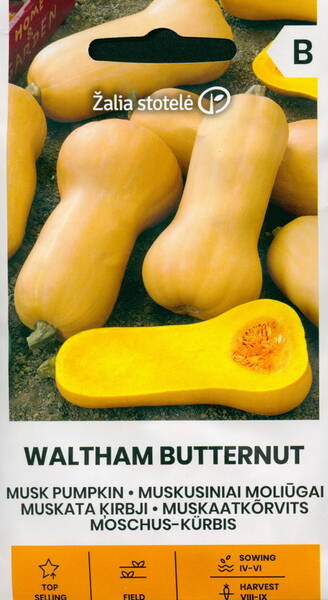
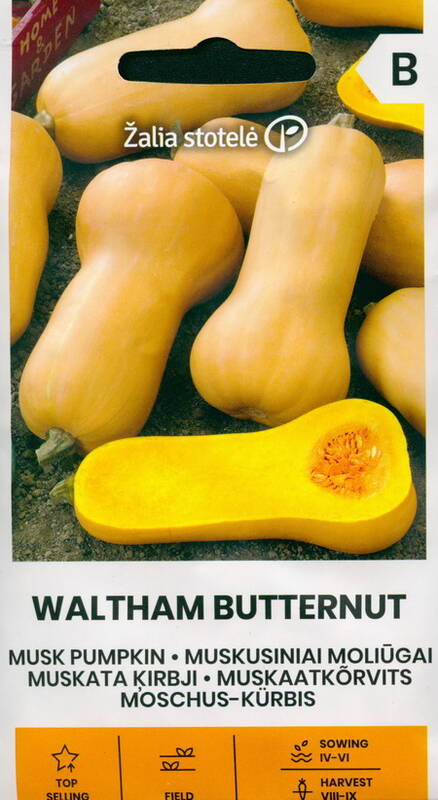
Cucurbita moschata Duch. ex Pior.
1.05€
Без НДС: 0.85€
Без НДС: 0.85€
* Мускатная тыква Waltham Butternut Squash считается чемпионом Америки среди тыкв по своим вкусовым качествам.
Тыква баттернат под названием "Waltham" была выведена в 1960 году на Массачусетской сельскохозяйственной опытной станции путём скрещивания мускатных тыкв культурных сортов с дикими африканскими «подругами». Оказывается, что баттернат – сверхскороспелый вид (от всходов до сбора плодов проходит 85-95 дней), широко известен и выращивается в Австралии, Африке, Европе, Азии, Америке и является источником продовольствия всех пяти континентов.
Одна из лучших в мире мускатных тыкв, с отличным ореховым привкусом, сладкая, с плотной маслянистой, оранжевой мякотью и способностью сохраняться всю зиму на полу в коридоре. Баттернаты появились в Европе сравнительно недавно и даже в Великобритании до сих пор считаются новинкой, чего не скажешь об Аргентине, откуда плоды этих тыкв экспортируются по всему миру.
Растения тыквы баттернат вырастают мощными и длинноплетистыми. Количество плодов весом от 500 г до 1 кг может быть достаточно велико – до 30 тыквочек с одного растения. Однако надо своевременно снимать плоды, так как при созревании в них семян задерживается рост остальных. Недозрелые тыквы зеленоватого цвета позже дозреют в лежке на полу и приобретут характерную бежевую окраску. Нельзя снимать на созревание плоды-однодневки в молочной спелости, потому что дозреть они не смогут.
Конечно же, выращивать эти тыквы в наших условиях надо через рассаду. Семена высаживают в ёмкости в первой декаде мая. Для прорастания семян до момента всходов необходимо обеспечить тепло, держать горшочки в теплице на солнечном обогреве, либо под лампой или рядом с батареей отопления (в холодной земле семена выпревают изнутри). Замачивать семена вовсе необязательно. В грунт рассаду высаживают, когда окончательно минует угроза заморозков. Некоторые земледельцы путают тыкву баттернат с кабачком из-за её маленьких размеров, но на срезе она совсем не похожа на кабачок. Баттернат – тыква с толстой прямой «шеей» и «лампочкой» на конце, а внутри этой «лампочки» имеет небольшую ёмкость с семенами. Всё остальное «тело» плода заполнено нежной оранжевой мякотью. Кстати, благодаря своему оранжевому цвету тыква баттернат – богатый источник антиоксидантов.
Нетрудно догадаться, что существует невообразимое множество рецептов приготовления блюд из этой тыквы для овощных, мясных, крупяных, макаронных блюд, супов, пюре, соусов. Она широко используется при фаршировании. Из нежных плодов делают пудинги, торты, пирожные, цукаты. Наконец, её жарят и просто отваривают.
Несомненным достоинством выращивания этого сорта является то, что он не переопыляется с повсеместно распространёнными у нас крупноплодными и твердокорыми тыквами, в том числе с кабачками и патиссонами. Поэтому при получении своих семян из баттерната опасайтесь переопыления только с мускатными сортами (которых у нас в обиходе не так уж и много, кстати).
В 1 грамме 5-7 семян.
Тыква баттернат под названием "Waltham" была выведена в 1960 году на Массачусетской сельскохозяйственной опытной станции путём скрещивания мускатных тыкв культурных сортов с дикими африканскими «подругами». Оказывается, что баттернат – сверхскороспелый вид (от всходов до сбора плодов проходит 85-95 дней), широко известен и выращивается в Австралии, Африке, Европе, Азии, Америке и является источником продовольствия всех пяти континентов.
Одна из лучших в мире мускатных тыкв, с отличным ореховым привкусом, сладкая, с плотной маслянистой, оранжевой мякотью и способностью сохраняться всю зиму на полу в коридоре. Баттернаты появились в Европе сравнительно недавно и даже в Великобритании до сих пор считаются новинкой, чего не скажешь об Аргентине, откуда плоды этих тыкв экспортируются по всему миру.
Растения тыквы баттернат вырастают мощными и длинноплетистыми. Количество плодов весом от 500 г до 1 кг может быть достаточно велико – до 30 тыквочек с одного растения. Однако надо своевременно снимать плоды, так как при созревании в них семян задерживается рост остальных. Недозрелые тыквы зеленоватого цвета позже дозреют в лежке на полу и приобретут характерную бежевую окраску. Нельзя снимать на созревание плоды-однодневки в молочной спелости, потому что дозреть они не смогут.
Конечно же, выращивать эти тыквы в наших условиях надо через рассаду. Семена высаживают в ёмкости в первой декаде мая. Для прорастания семян до момента всходов необходимо обеспечить тепло, держать горшочки в теплице на солнечном обогреве, либо под лампой или рядом с батареей отопления (в холодной земле семена выпревают изнутри). Замачивать семена вовсе необязательно. В грунт рассаду высаживают, когда окончательно минует угроза заморозков. Некоторые земледельцы путают тыкву баттернат с кабачком из-за её маленьких размеров, но на срезе она совсем не похожа на кабачок. Баттернат – тыква с толстой прямой «шеей» и «лампочкой» на конце, а внутри этой «лампочки» имеет небольшую ёмкость с семенами. Всё остальное «тело» плода заполнено нежной оранжевой мякотью. Кстати, благодаря своему оранжевому цвету тыква баттернат – богатый источник антиоксидантов.
Нетрудно догадаться, что существует невообразимое множество рецептов приготовления блюд из этой тыквы для овощных, мясных, крупяных, макаронных блюд, супов, пюре, соусов. Она широко используется при фаршировании. Из нежных плодов делают пудинги, торты, пирожные, цукаты. Наконец, её жарят и просто отваривают.
Несомненным достоинством выращивания этого сорта является то, что он не переопыляется с повсеместно распространёнными у нас крупноплодными и твердокорыми тыквами, в том числе с кабачками и патиссонами. Поэтому при получении своих семян из баттерната опасайтесь переопыления только с мускатными сортами (которых у нас в обиходе не так уж и много, кстати).
В 1 грамме 5-7 семян.
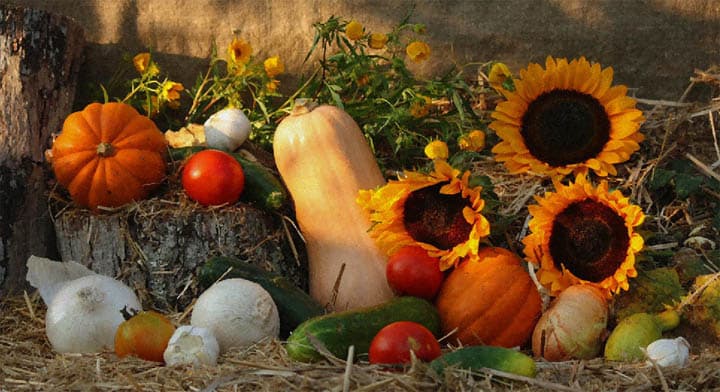
* Варенье из тыквы.
Варенье лучше готовить из небольших, но совсем зрелых плодов. Их вымыть, разрезать на одинаковые кубики (примерно 1x1x1 см), пробланшировать в кипящей воде 1-2 минуты и охладить в холодной воде.
Можно и не бланшировать. В этом случае кусочки тыквы погрузить на 10-12 мин в 1,5%-ный раствор пищевой соды, а затем промыть в чистой воде и сварить.
1 кг очищенной и разрезанной тыквы, 1,5 кг сахара.
Лучше приготовить сахарный сироп: на 1 л воды, 1,5 кг сахара. Разделить его на 2 части. Вначале кусочки тыквы залить горячим сахарным сиропом и выстоять несколько часов.
После этого варенье довести до кипения, прокипятить 3-4 мин, снова выдержать 6-8 часов.
В тыкве очень мало кислот или они совсем отсутствуют, поэтому перед второй варкой к варенью добавить остальную часть сиропа и лимонную кислоту (около 3 г), проварить несколько минут.
К концу третьей варки добавить ванилин и окончательно уварить варенье. Сироп у готового варенья должен быть прозрачным, кусочки тыквы пропитаться сахаром и стать прозрачными.